Spinning on the Loom: Enter My Domain


This post is part of a series of articles I'm writing about the Loom system, a diceless, GM-less game system I designed. If you want to tune in and get the posts straight to your inbox, you can subscribe to the Clawhammer Courant for free!
Hey folks, Sylvan here. This is going to be a short post, as I'm getting my new game ready for a playtest release. If you're subscribed to the Courant, you'll get a playtest copy of it a full 48 hours before I post it on Itch... something to consider ;)
Now! On to the good stuff. I want to talk to you today about what it means to have a conversation with an idea.
One of the things that makes the Loom system unique is its unique interplay between Character playbooks and Domain playbooks. Without this interplay, we're running a watered-down Powered by the Apocalypse. And without the pairing of Character and Domain books, we're aping Belonging Outside Belonging a little bit more than I'd prefer.
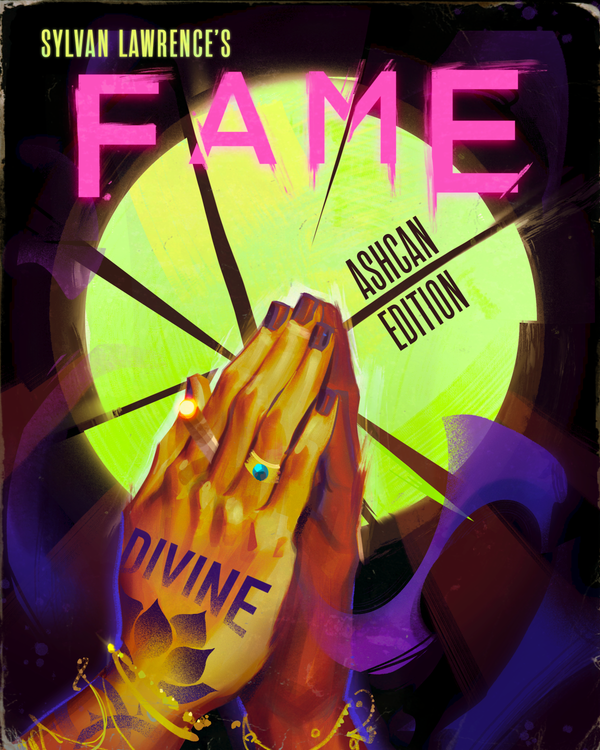
I'll break down the interplay using an edited passage from my upcoming game Fame:
Moves for Character and Domain playbooks are different. Character playbooks are active, full of actionable behaviors and choices. Domain Playbooks are more passive: they function by manifesting through the world and its inhabitants. Think of the Domains less as characters and more as abstract forces… at least to start.
And from the Loom SRD:
Each Character Playbook is paired with a specific Domain Playbook, and vice versa: all Playbooks are paired off. This creates a dynamic interplay between individual characters and the broader narrative, thematic, and environmental elements of the world. The pairing system ensures thematic and narrative balance and contrast, and the Domains offer a shared canvas for collaborative storytelling. A player using a Character Playbook cannot directly use its associated Domain Playbook.
Character playbooks are expressly designed to be accompanied by specific Domains. As such, taken alone, a Character playbook is an incomplete artifact. It's got the approximate shape of a person, but the frame is riddled with holes. And while the paired Domain playbook fills some of those holes when you read it, it falls short of actually completing the picture of what that character archetype is supposed to really be, how they're brought to life in a game, and why they're paired with the Domain that they're unbreakably bonded to.
The trick is that everything in the Loom is incomplete. Playbooks are incomplete shapes. The rules are flexible and vague. My intent with this system is not to prescribe a set of actions that players must take, but to give them enough of a framework that they can begin to see the gaps between points, then hand them an assortment of tools they can select from in order to bridge those gaps. What the Loom isn't is a hammer, a nail, and two planks of wood that need to be joined. What the Loom is is a toolbox, a shed of lumber, and a shelf of design briefs.
Making Domain moves is the biggest stumbling block that new players tend to run into. This makes sense to me—they're the most significant departure from traditional roleplay that the Loom has to offer, and the demand for that departure is constantly evolving and making itself known in new and insistent ways.
I've tried a myriad of methods to impart to the players how to "properly" use Domain playbooks. I still haven't cracked it in a way that's totally satisfactory to me, but I've gotten closer in Fame than I ever have before. In playtests and home games Spun on the Loom, I've found that most players either Get It or they Don't. But the players that Don't learn through trial and example from players that Get It, and the most successful playgroups are the ones where everyone is using Domains by the end of the game.
From Fame:
The ways that Domains manifest are myriad and flexible—the language used in their playbooks is intentionally vague and open-ended. Think of their moves less as set actions that you can use and more as prompts that you can base these magical and unknowable forces off of. Character playbooks get lots of structure and restrictions. Domains playbooks are much more negotiable.
Another important aspect of playing a Domain is that they are not always present for the entirety of a scene. Much like a character can enter and exit, Domains can exert their influence momentarily and then relax control.
If your character isn’t in the scene that’s currently being played, you can (and should) pick up a Domain playbook at any time, describe something that’s changed about the scene or environment, and then put the playbook back down again. Unlike Character playbooks, you don’t have to hang on to a Domain if you don’t feel like continuing to play it. Trade them back and forth. Tap in to different Domains to pull the scene in new and interesting directions. If the table isn’t sure which Domain to pick, it’s always a safe bet for someone to choose the Domain Playbook that’s tied to the scene’s central character.
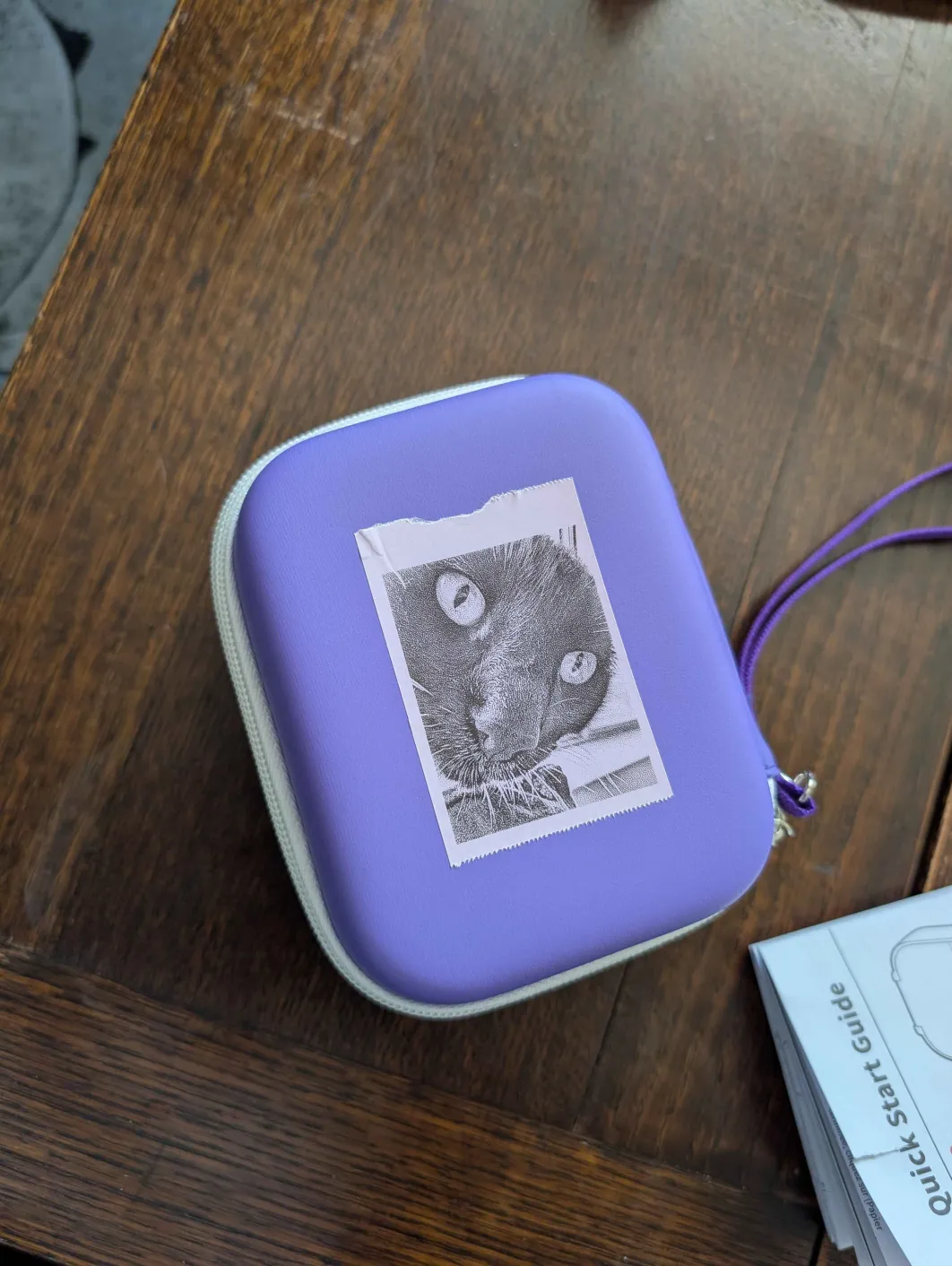
Like I said: it's not perfect, but that's one of the delights of game design to me. How do I communicate an alien concept to players that haven't been exposed to it? How do I get players coming from D&D to understand that Domains aren't literal representations of a single force or entity? How do I get players coming from Belonging Outside Belonging to understand why the bonded nature of Domain and Character playbooks is not just a pairing but a mutual symbiosis? How do I get players at my table to stop using their portable sticker printer to make stickers of their cat during sessions? These questions, and many more, are queries for the stars.